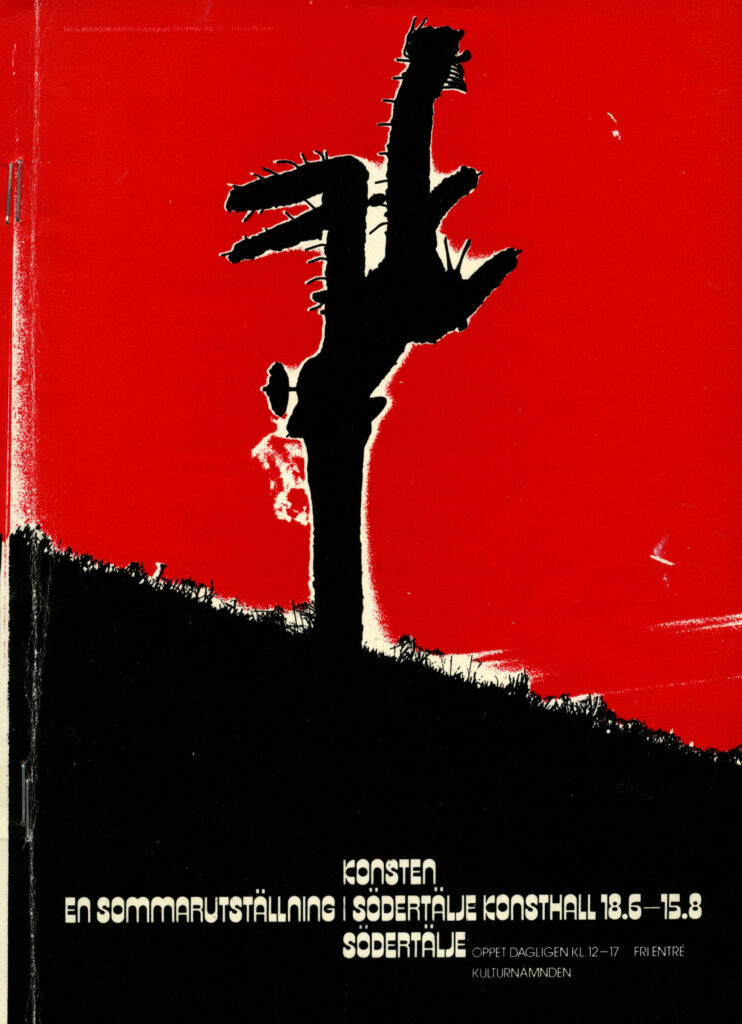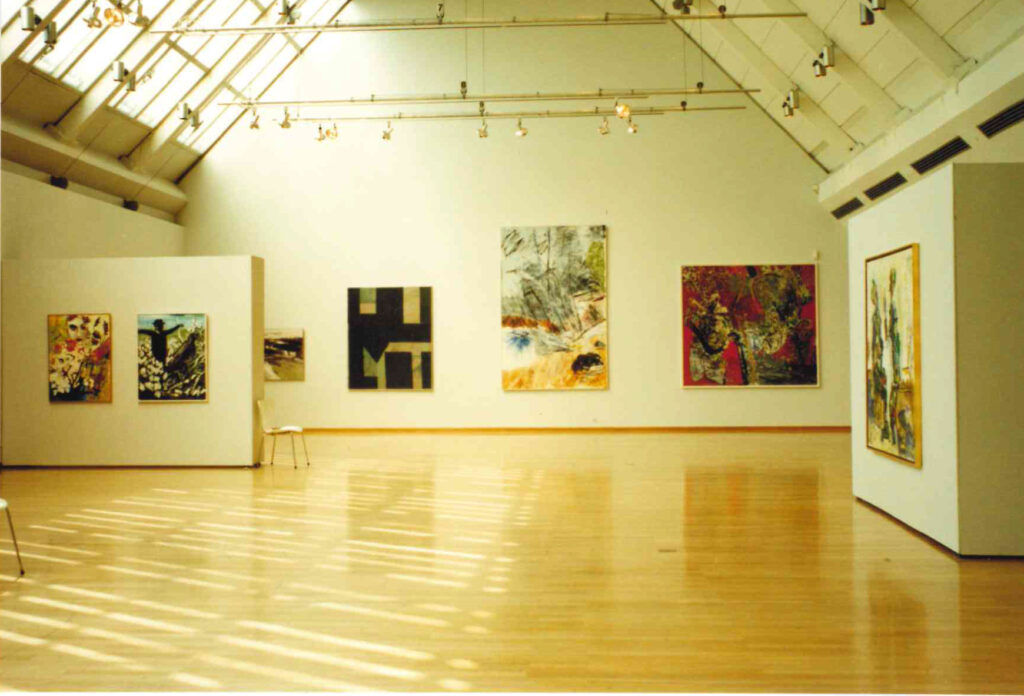
Södertälje konsthall c/o Torekällbergets friluftsmuseum, Källgatan 15.
Know before you go:
Södertälje konsthall is currently sited at the open air-museum Torekällberget. Google Maps and other maps can sometimes send you the wrong way. The easiest path is to walk from Södertälje C, the tunnel towards the City Hall, and then walk along Davidssons Gränd, up the hill to Badparken and to Björn Borg promenaden. It is quite a steep hill but at the end of the hill you will see the museum surrounded by a fence. Go inside and you will soon find yourself on the museum main square. There you find Södertälje konsthall! There is also a cafe and a shop. Welcome!
Open: 11-16 every day until Aug 16.
Aug 17- Dec 6: Thu-Sun 11-16.
After 58 years, Harrania’s tapestries return to Södertälje, where they first visited the city, and after 47 years to Sweden.
Harrania — Where the Weave Remembers. brings the Ramses Wissa Wassef Art Center back to Södertälje Konsthall, where it was first presented in 1968 as the preliminary exhibition of the old Södertälje Konsthall venue’s earliest premises on Järnagatan. The exhibition was titled “The Weavers of Harrania,” “Vävarna Från Harrania.” And then they had another exhibition in 1970, which was titled “The New Weavers From Harrania / Nya Vävarna Från Harrania.”
Sweden was where Harrania first entered European museum life at Moderna Museet in Stockholm, “Children from Egypt Weave / Barn från Egypten väver, 1960–61.” Södertälje was where it entered an inaugural civic gallery. The last time any Swedish museum or gallery hosted the Art Center’s exhibition was at Moderna Museet in Stockholm in 1979, “Children Weave. The Ramses Wissa Wassef School. Harrania in Egypt / Barn väver.”
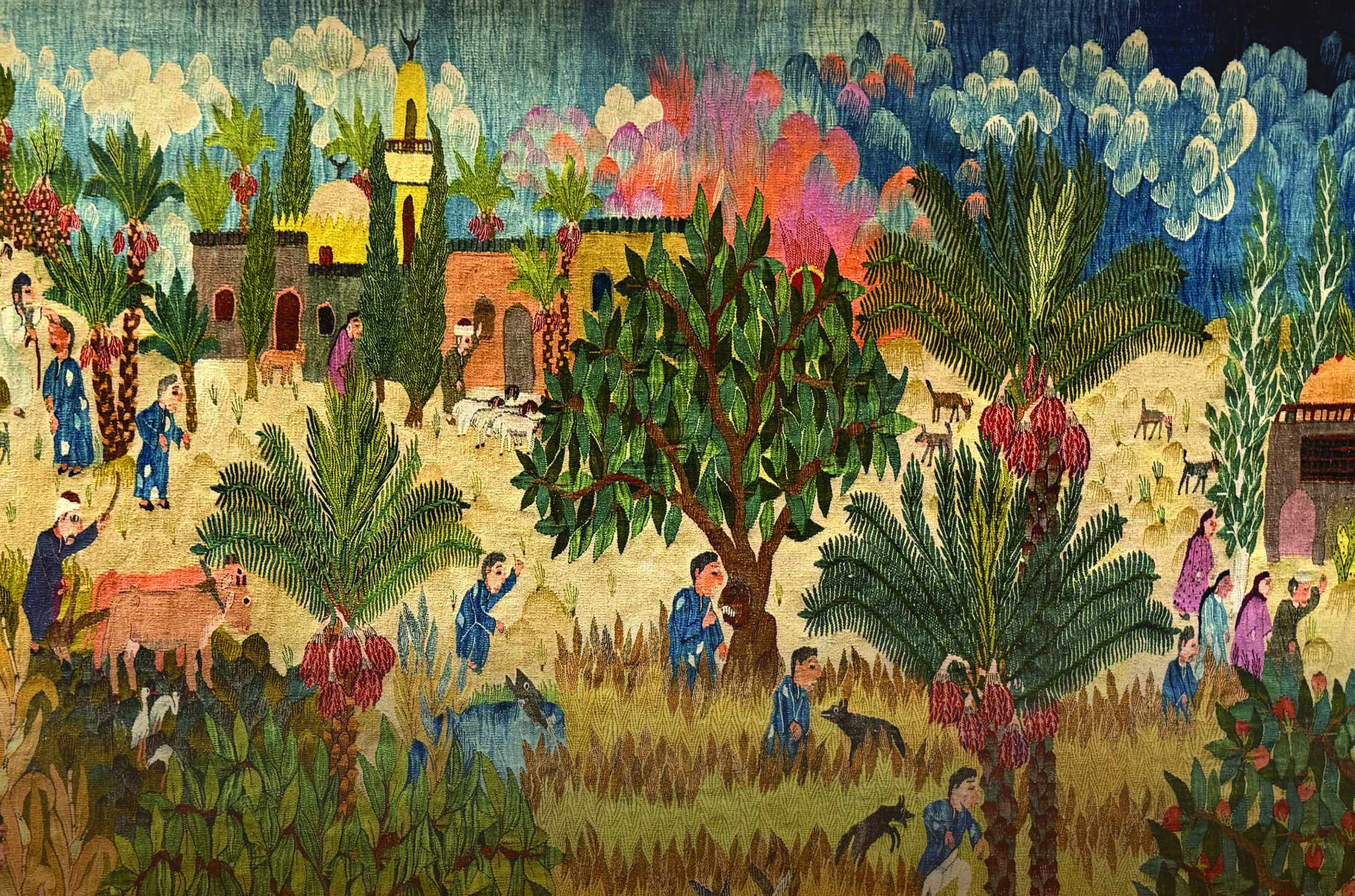
Founded in 1951 by the architect Ramses Wissa Wassef (1911–1974) and his wife Sophie Habib Gorgi, the Art Center in Harrania, a village near the pyramids of Giza, is one of the twentieth century’s most enduring experiments in creative education. Village children, aged eight and up, learned to weave images of their own lives directly onto the loom, without patterns, without sketches, without adult correction. Three generations later, the practice continues unchanged. Every tapestry is composed from memory. Every dye is drawn from plants grown in the Center’s own garden. The Center is today led by Suzanne Wissa Wassef, daughter of Ramses, and her husband Ikram Nosshi, who serves as director.
The exhibition is presented in three sections:
The archival section documenting the 1968 Södertälje exhibition, featuring the original catalog, photographs, correspondence, and a small selection of tapestries held in the Konsthall’s keeping from that first encounter. This is the room of memory, of a young city gallery meeting a young weaving school, both of them still becoming what they would later be. The children who wove these pieces are now elders; some have passed. The works remain, and through them the voices of Ramses, Sophie, and the first generation of Harrania weavers are present again in Södertälje konsthall.
The second section features tapestries from the Art Center available for purchase, continuing the cooperative model that has sustained the weavers’ community for 75 years. Wissa Wassef’s foundational principle was that the making must feed the maker; that the weaver artists own their own work and their own imagination. To acquire a piece here is to participate in the same circulation that, over three generations, has allowed the weavers to sustainably and creatively weave.
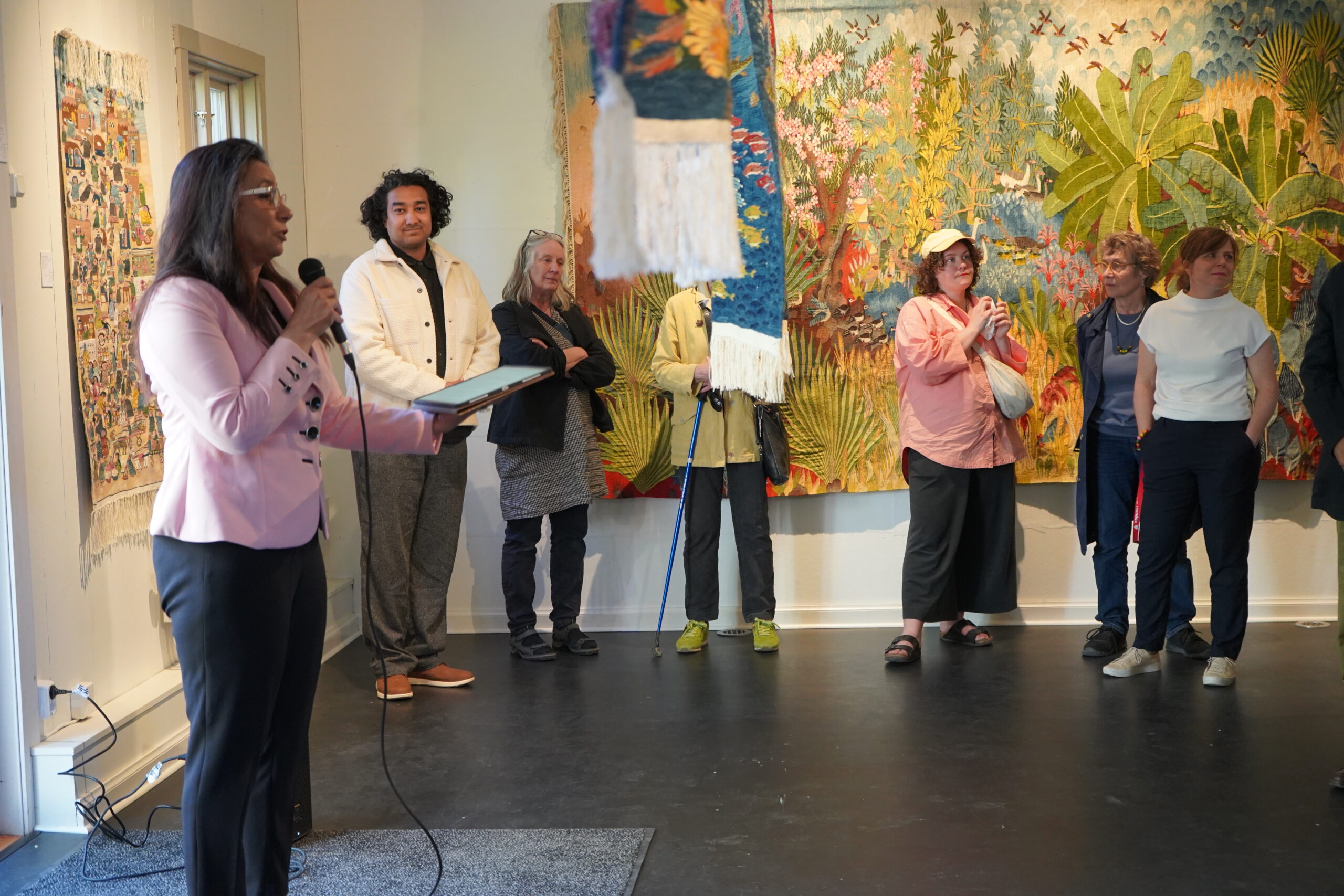
The main hall is given entirely to new tapestries by the Center’s third generation of weavers, many of them the children and grandchildren of the first generation.
Why return, and why now
After 58 years, it would be easy to call this nostalgia. It is not that. The Ramses Wissa Wassef Art Center has become, over three-quarters of a century, something more than a weaving school. It is a living argument against the industrial logic that separates the designer from the maker, the artist from the craftsman, the imagination from the hand. At a moment when contemporary culture is once again asking what it means to make something slowly, by hand, from local materials, within a community of one’s own, the experiment begun in Harrania in 1951 speaks with startling clarity.
The title of the exhibition, Where the Weave Remembers, points to this. A tapestry from Harrania is not a decorative object. It is a record of a specific weaver’s sight, on a specific habit or nature, of an afternoon in the garden, Egyptian desert animals, Cats in the garden, or a wedding night. It is also a record of the community that made it possible for that weaver to weave. And in returning here, to the city where these works were once visited, the weaving holds the past and the present in a single surface. Where the weave remembers. Where it begins again.
Welcome back, Harrania, to Södertälje.
Curator: Amr Hamid.
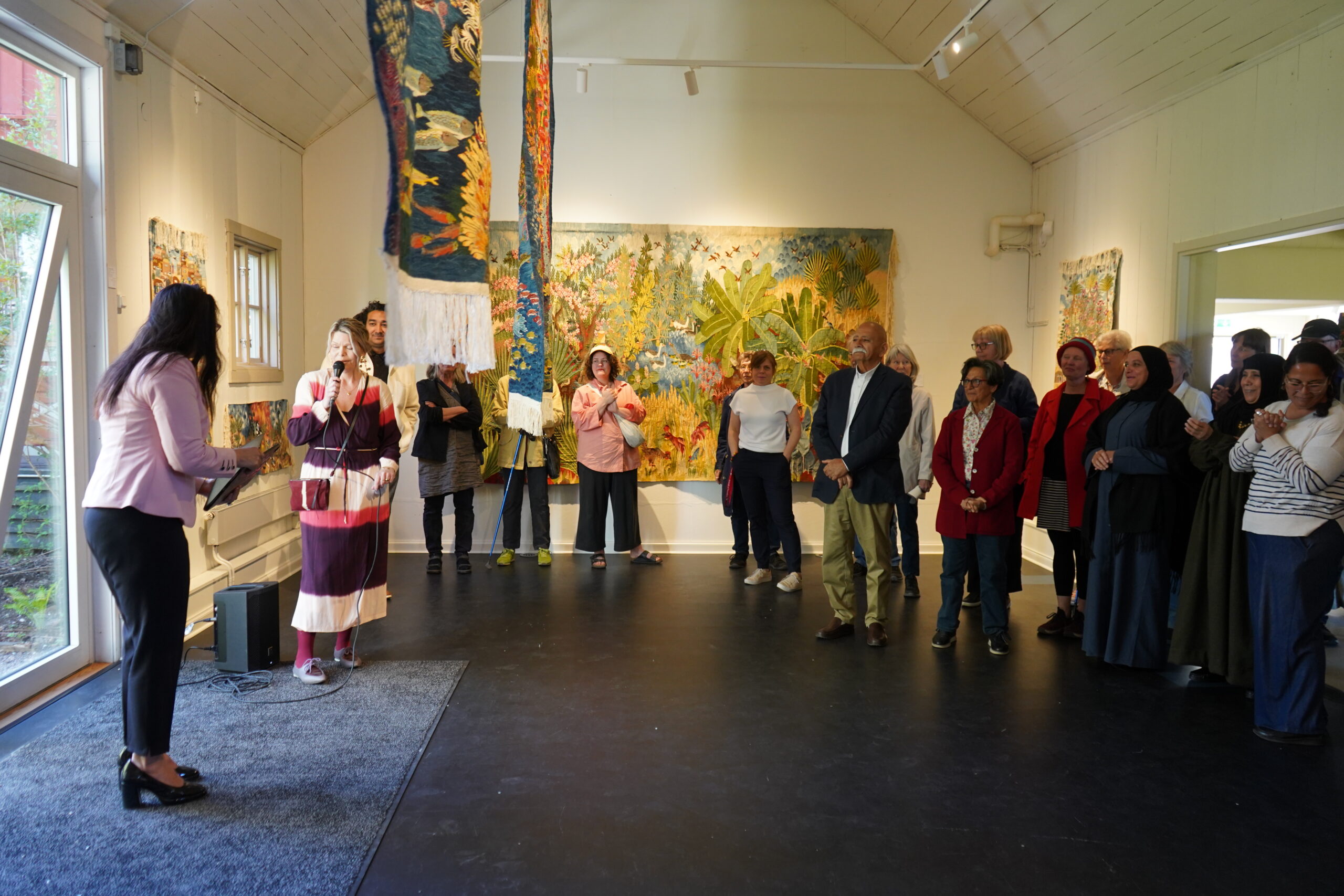
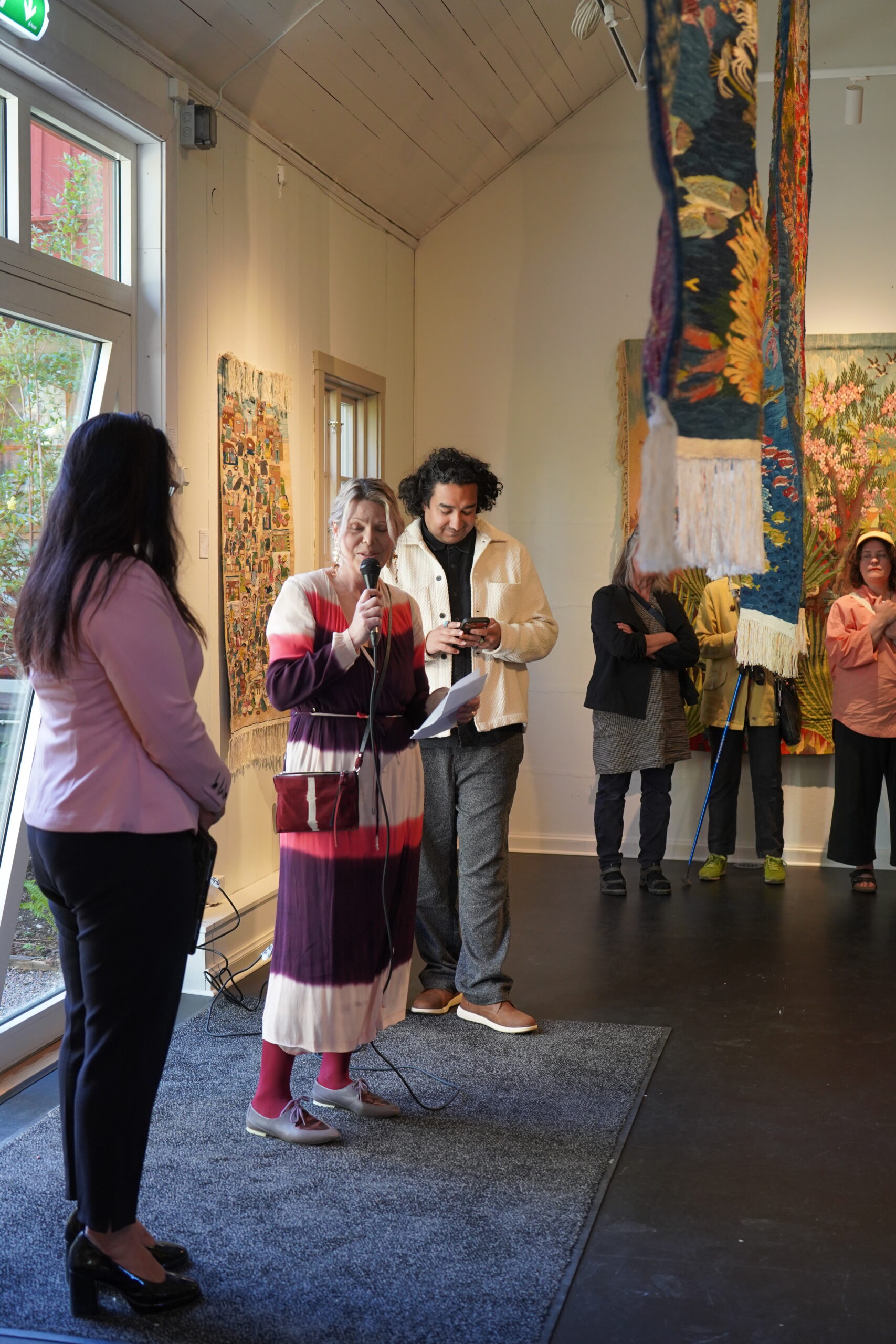
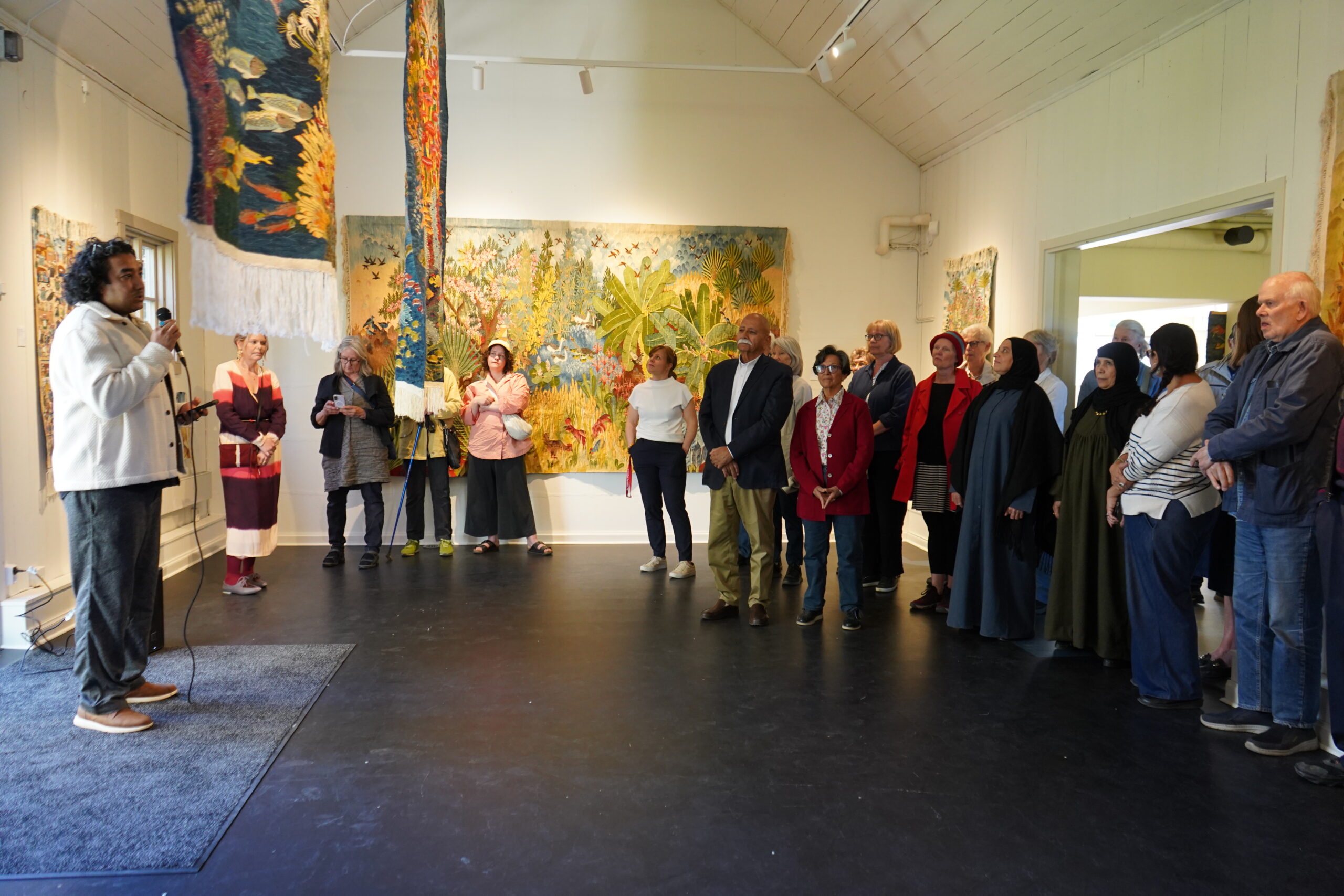
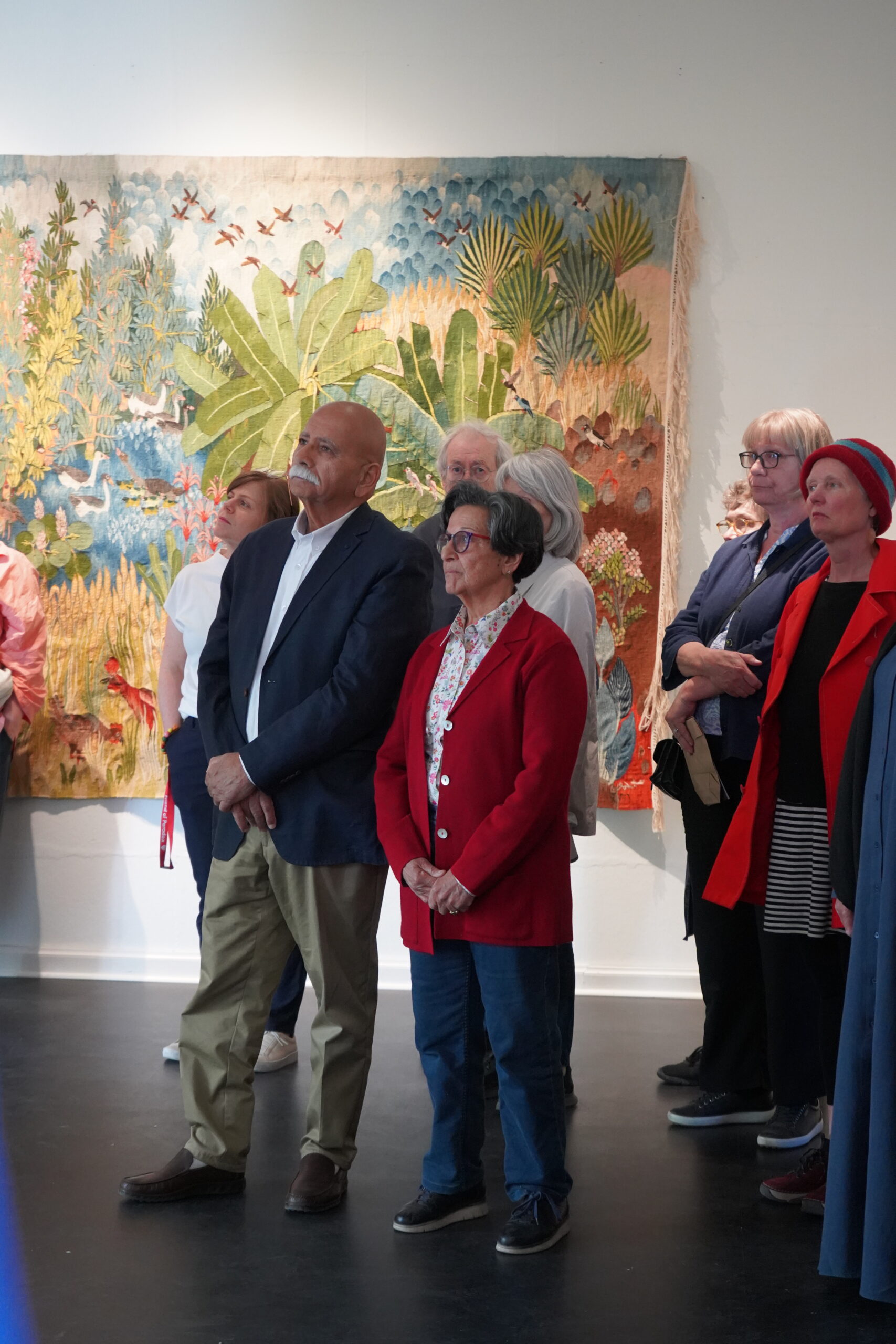
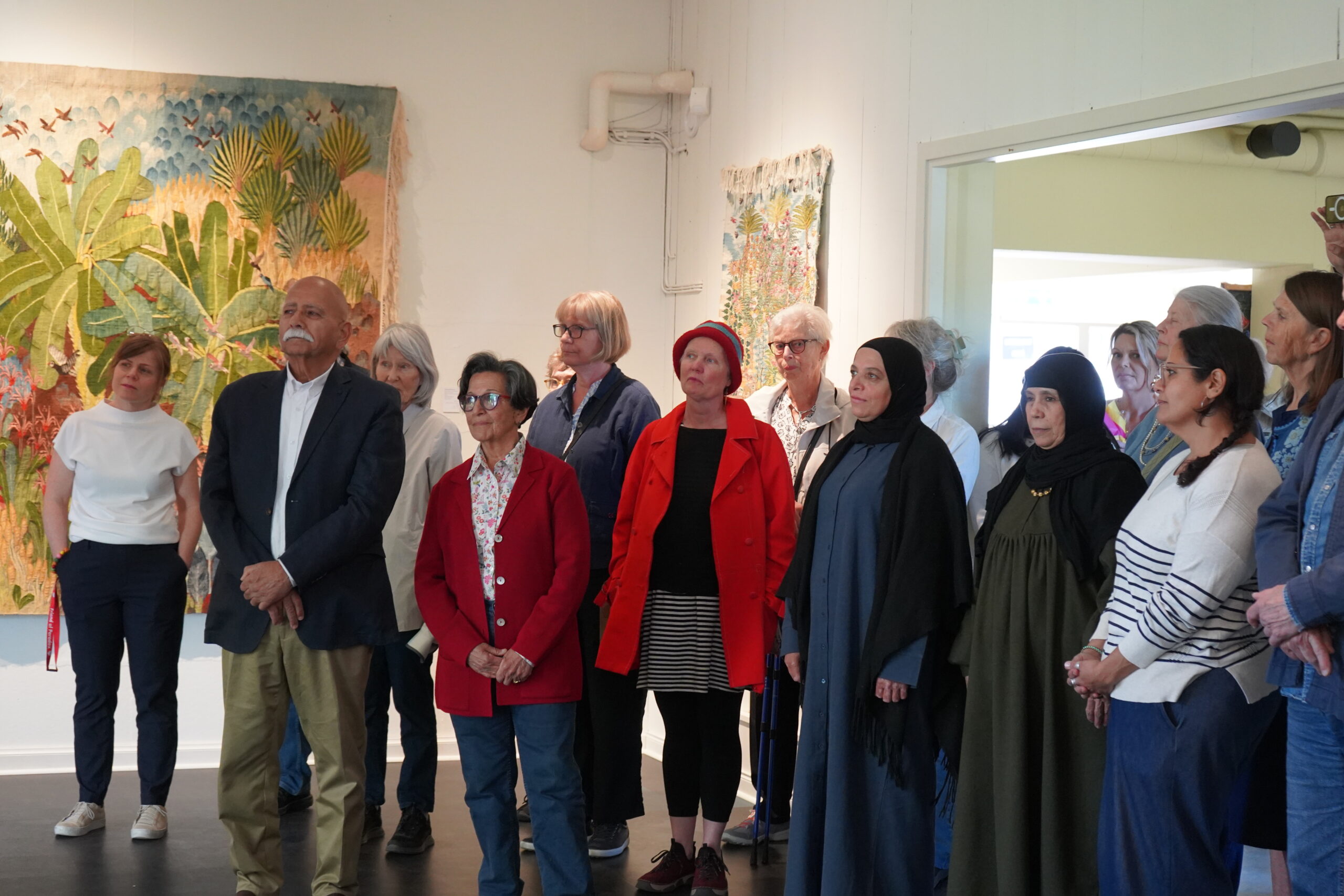
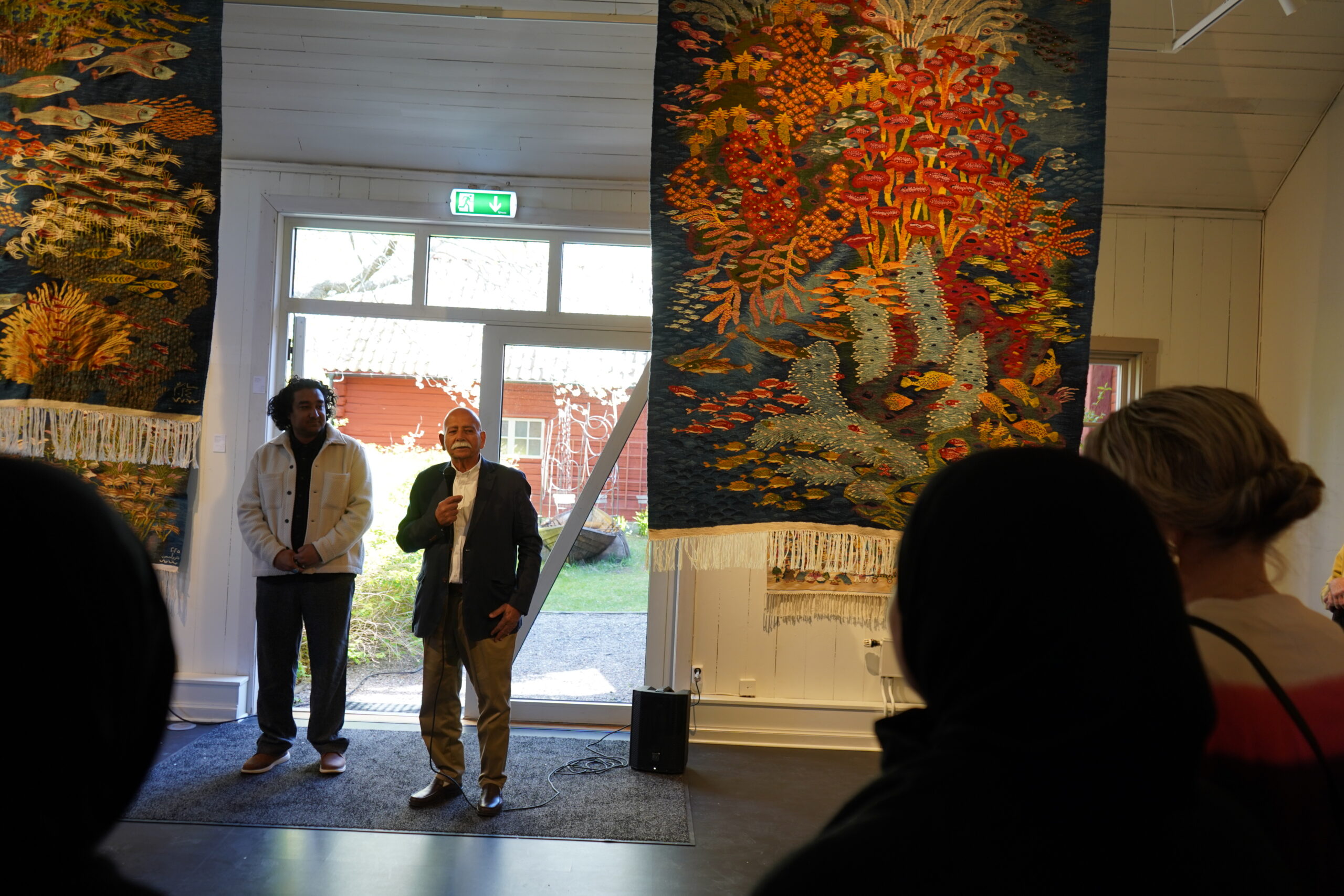
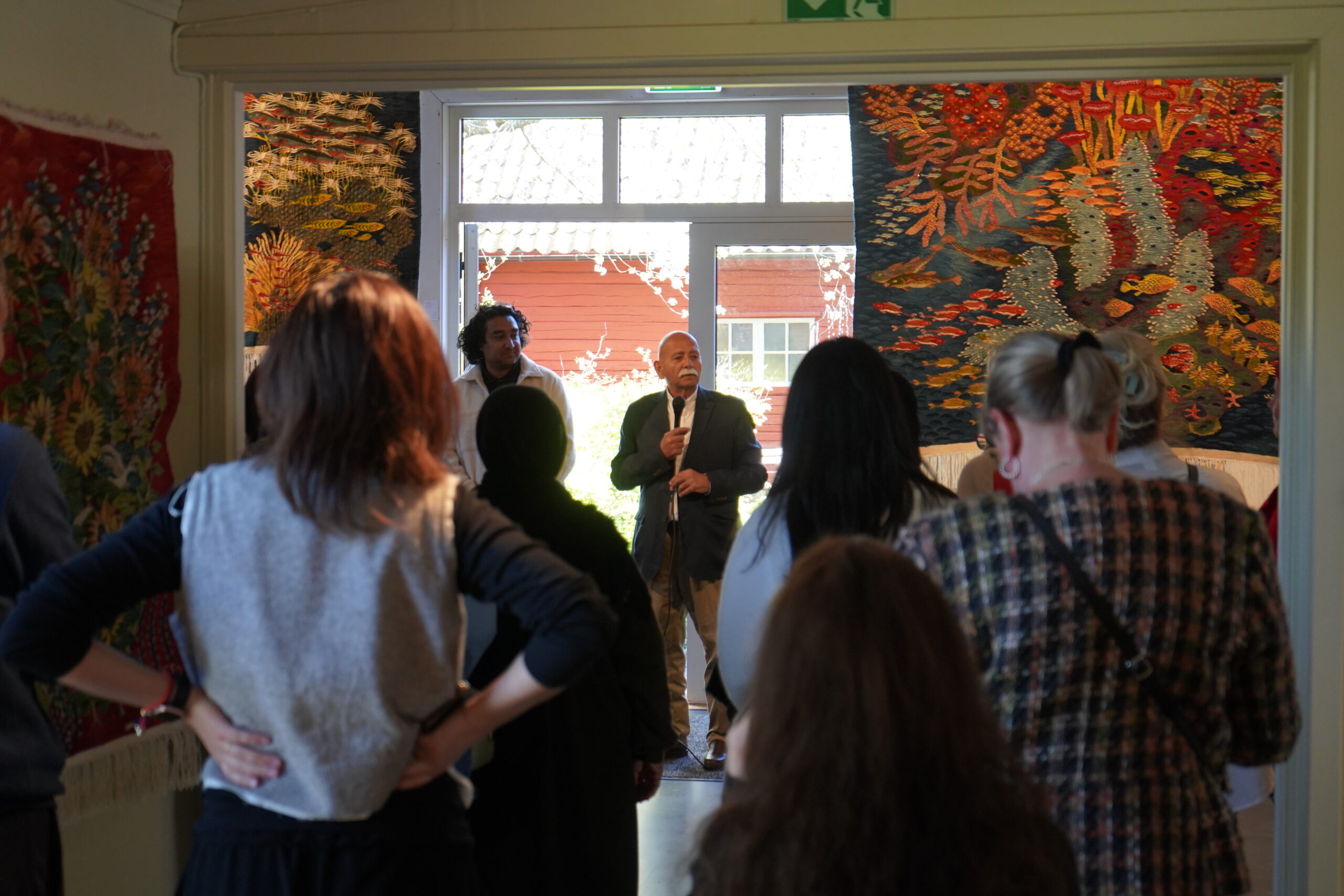
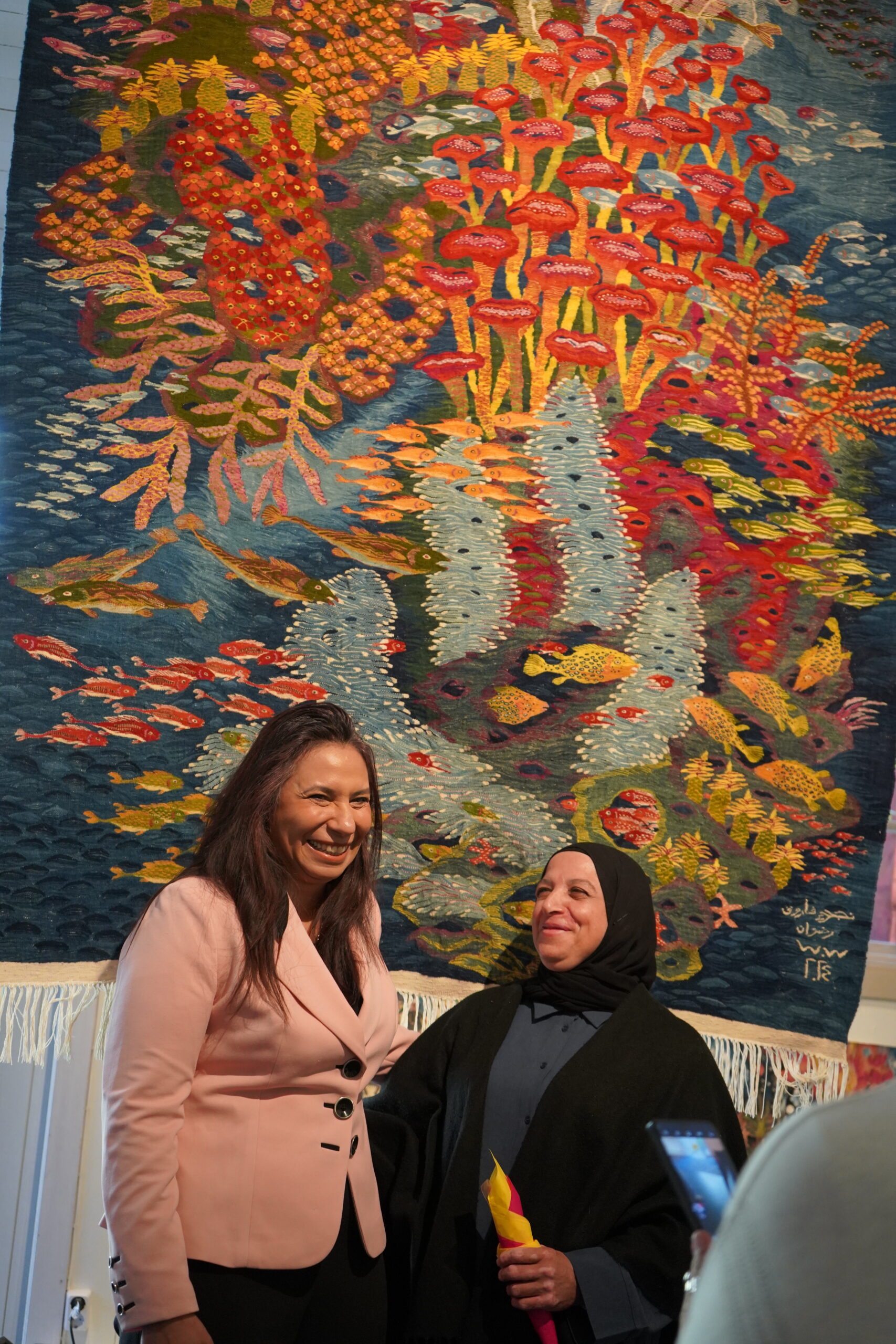
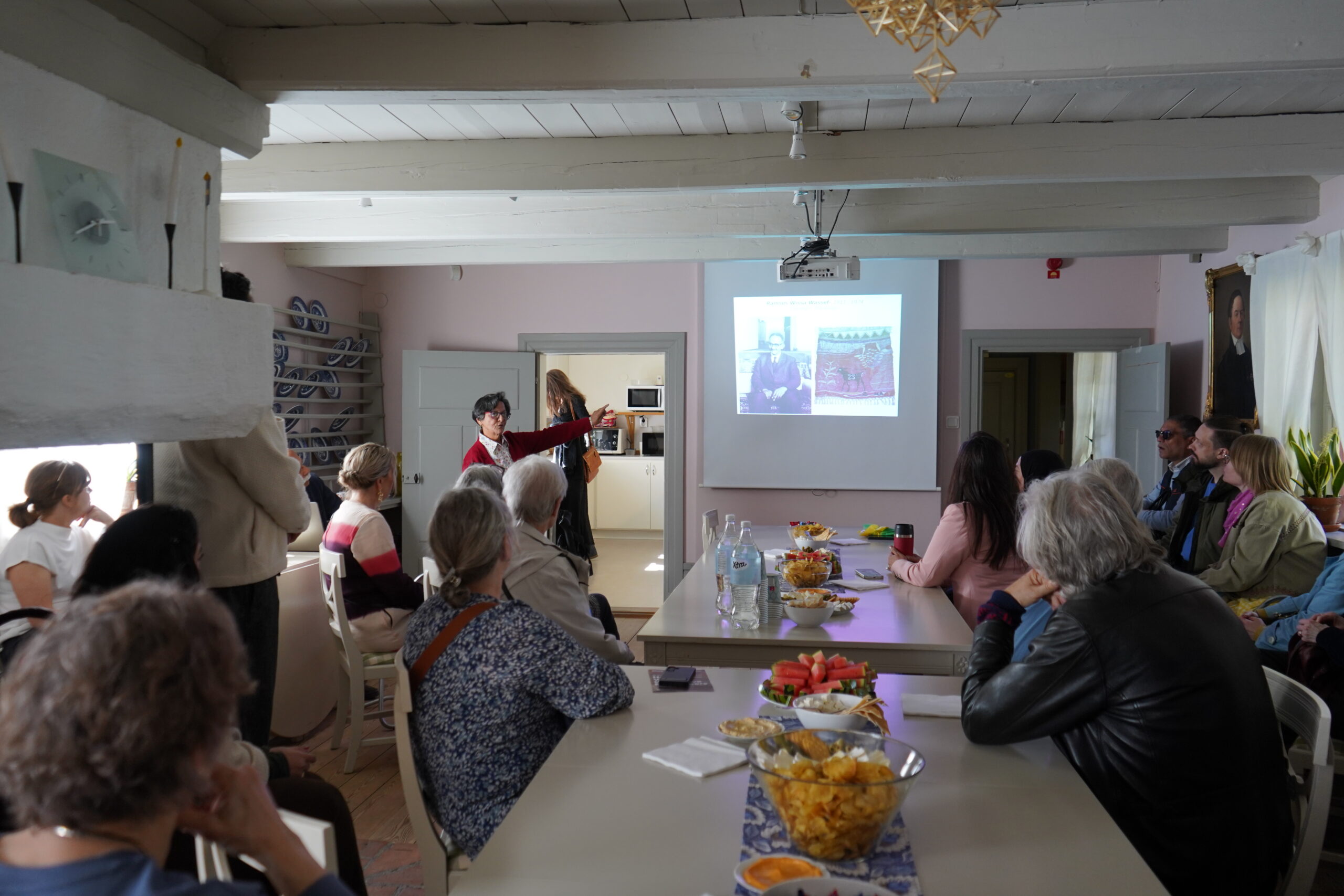
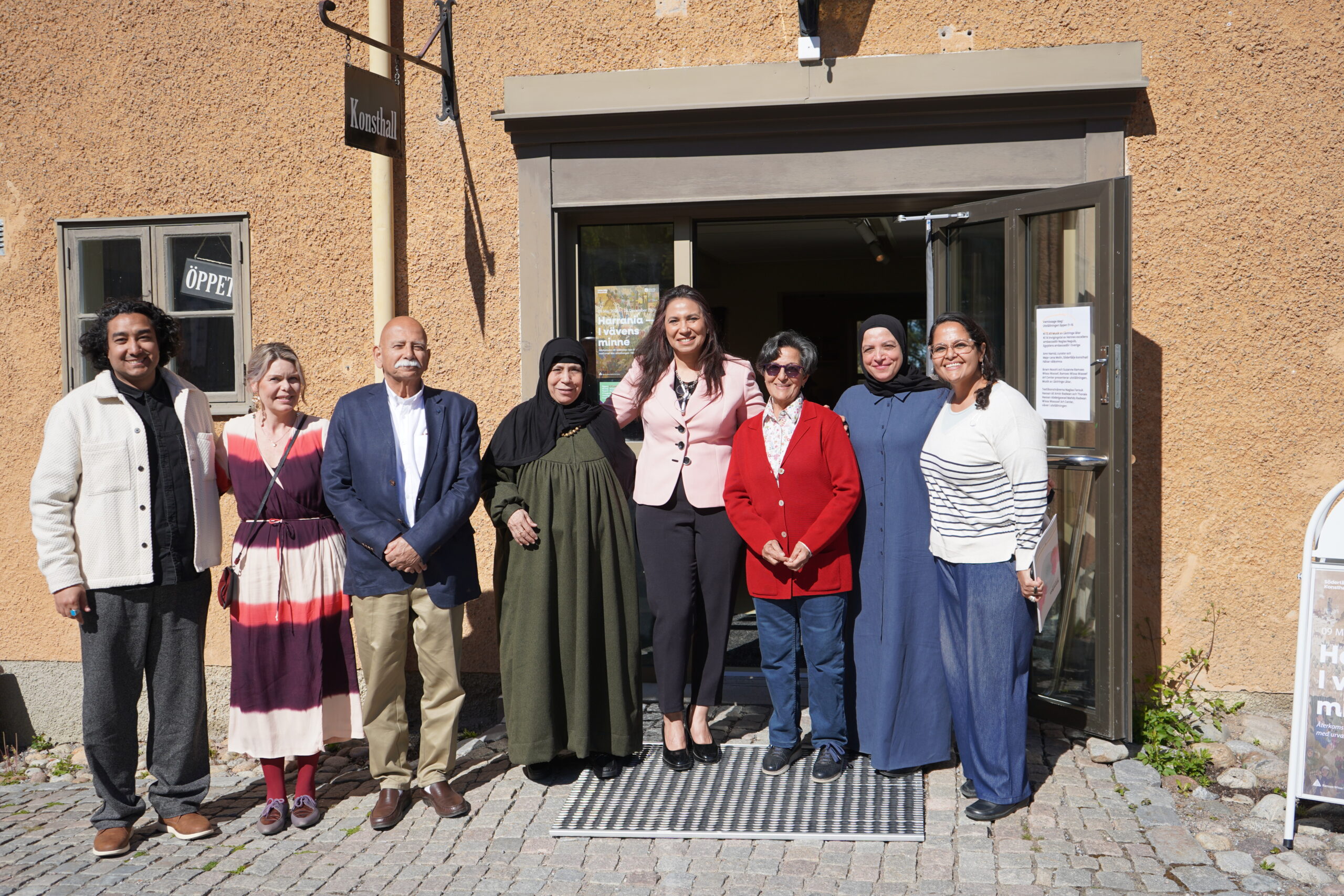
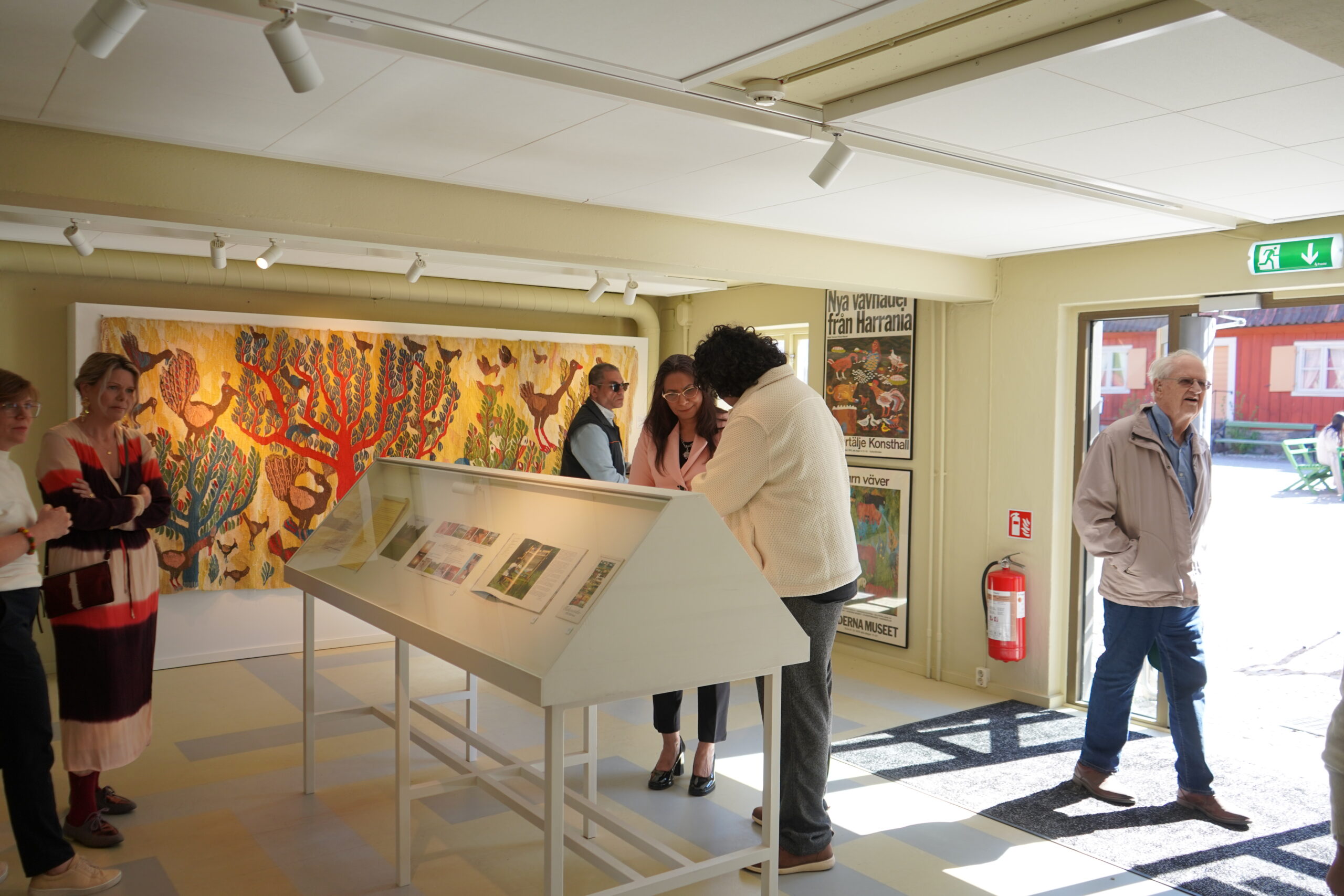
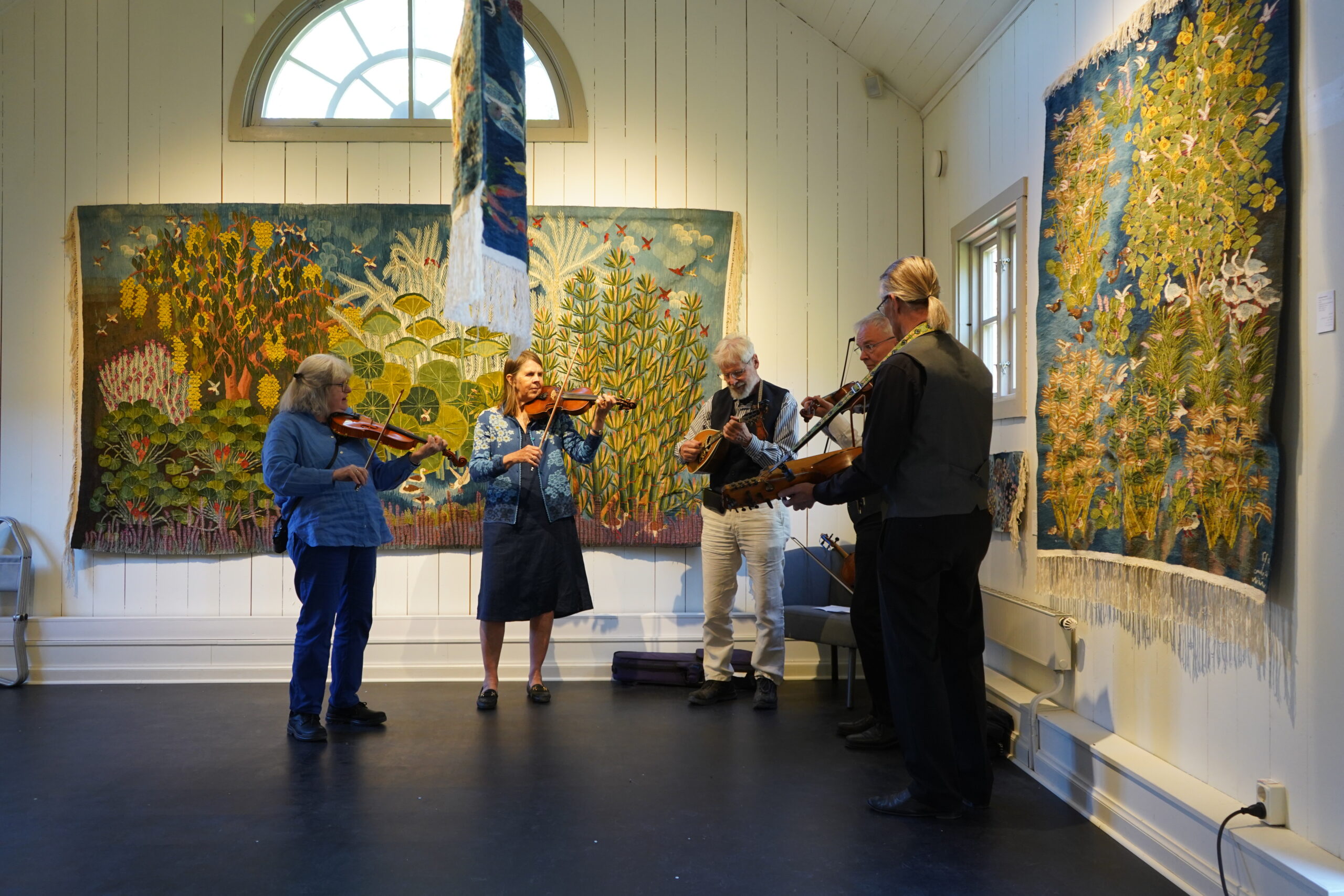
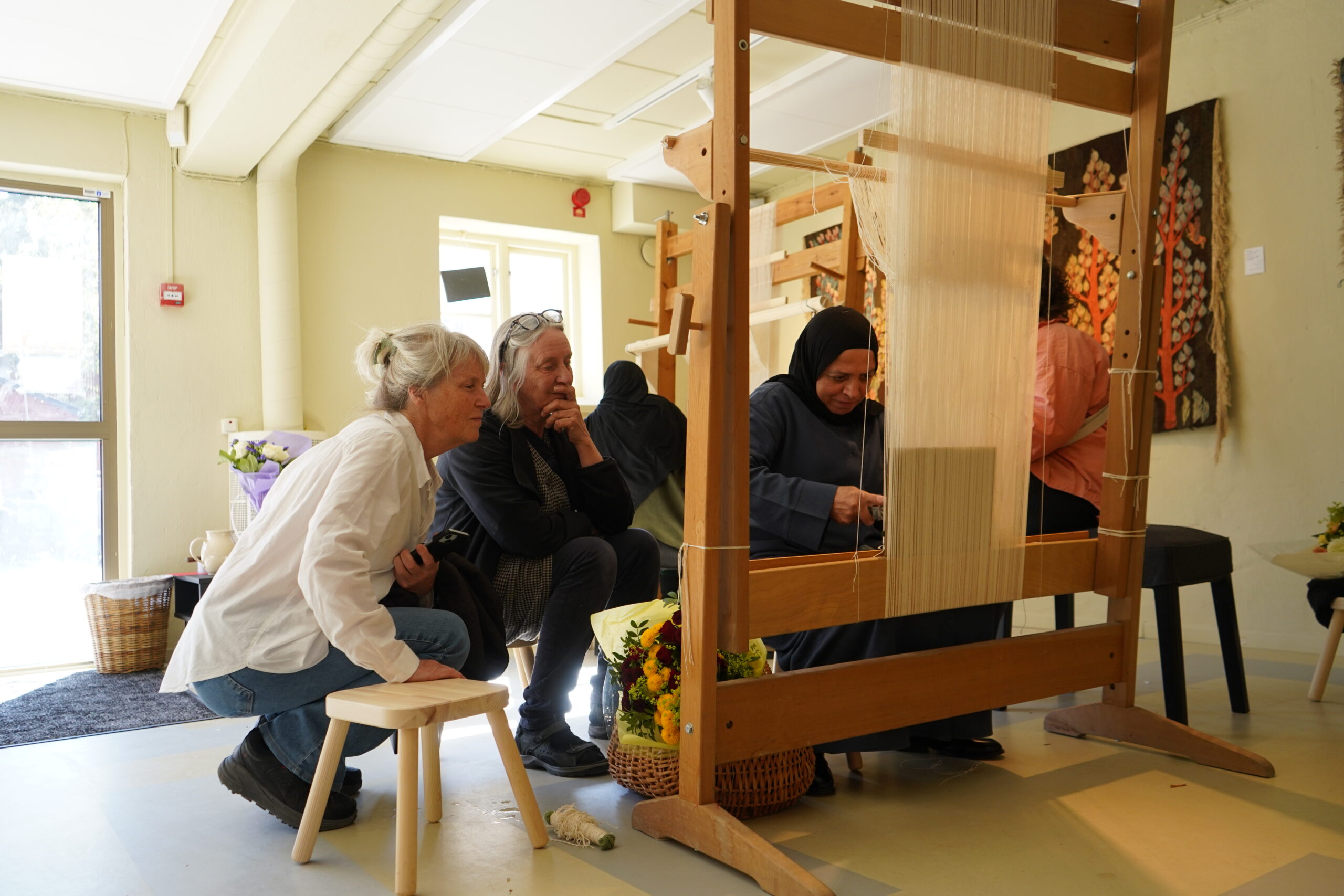
From the Opening May 9: Her Excellency the Egyptian Ambassador in Sweden Naglaa Naguib, inaugurated the exhibition. Lästinge låtar played! Ikram Nosshi, Suzanne Ramses Wissa Wassef and Marian Ikram Monir Nosshi together with. the artists Naglaa Farouk Hassan Ali Amin Radwan
and Thoraia Hassan Abdelgawad Mahdy Radwan from Wissa Wassef Art Center. Amr Hamid, curator.